
The Anglican Catholic Church
Anglican.
Catholic.
Faithful.
Traditional.
St. Vincent of Lerins in the early fifth century defined the Catholic Faith as “what has been believed everywhere, always, and by all”. In other words, to be Catholic is to be “complete”—not lacking in any element of the Faith that our Lord Jesus Christ left to his Apostles.
It is by this test that we are Catholic, together with the Eastern Orthodox, Roman Catholic, and Old Catholic Churches. The seal of catholicity is the Apostolic Succession, the consecration of our Bishops at the hands of other Bishops tracing their consecrations back to the Apostles themselves.
Our theology is that of the seven Ecumenical Councils of the ancient Church, the three historic creeds, together with the common understanding of the great Churches of Rome and the Orthodox East today. We stress the underlying unity of faith and order with this early Church and judge contemporary issues in the light of Holy Scripture and Holy Tradition.
We are Anglican because our practice of that Faith—our liturgical and spiritual heritage—is derived from the long history of the Church amongst the English peoples. We are the inheritors of a rich treasury of theology and devotion, claiming for our own Caedmon the Bard, Hilda the Abbess, Julian the Visionary, Anselm the great theologian, King Charles and Archbishop Laud the martyrs, the King James Bible, and The Book of Common Prayer.
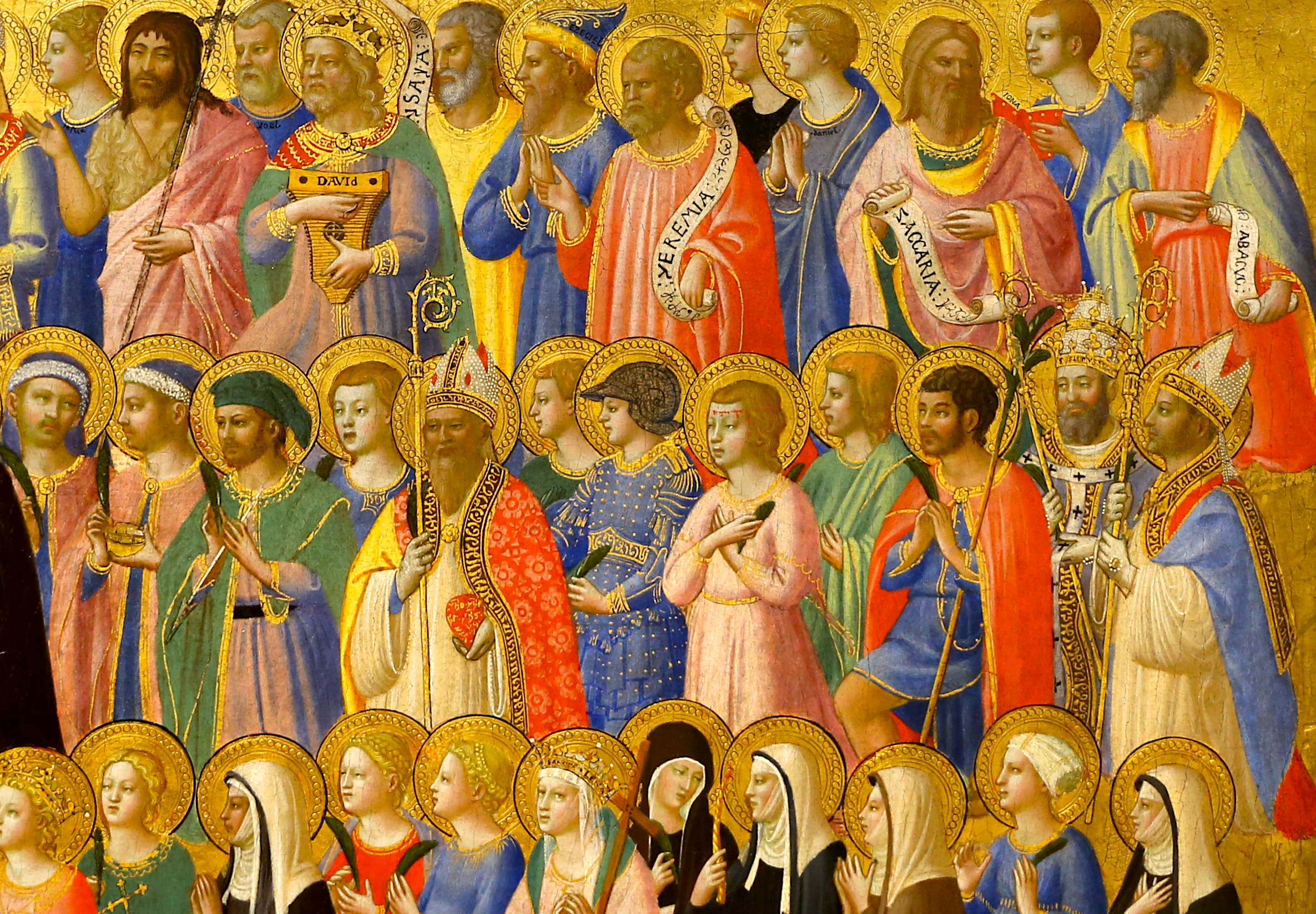
We preach an individual living faith in Jesus Christ, but stress a life lived out by service and common prayer in the Church, the community of saints. We exalt the Lord Christ above all—yet we recognize the proper honour due to the Blessed Virgin Mary the Mother of God, as well as to the beloved Saints who have gone before us. We hold to traditional Christian morals, yet provide ready Confession and Absolution to the penitent sinner. In short, we embrace the Catholic faith, the faith once delivered to the saints (Jude 3).
All Saints Church
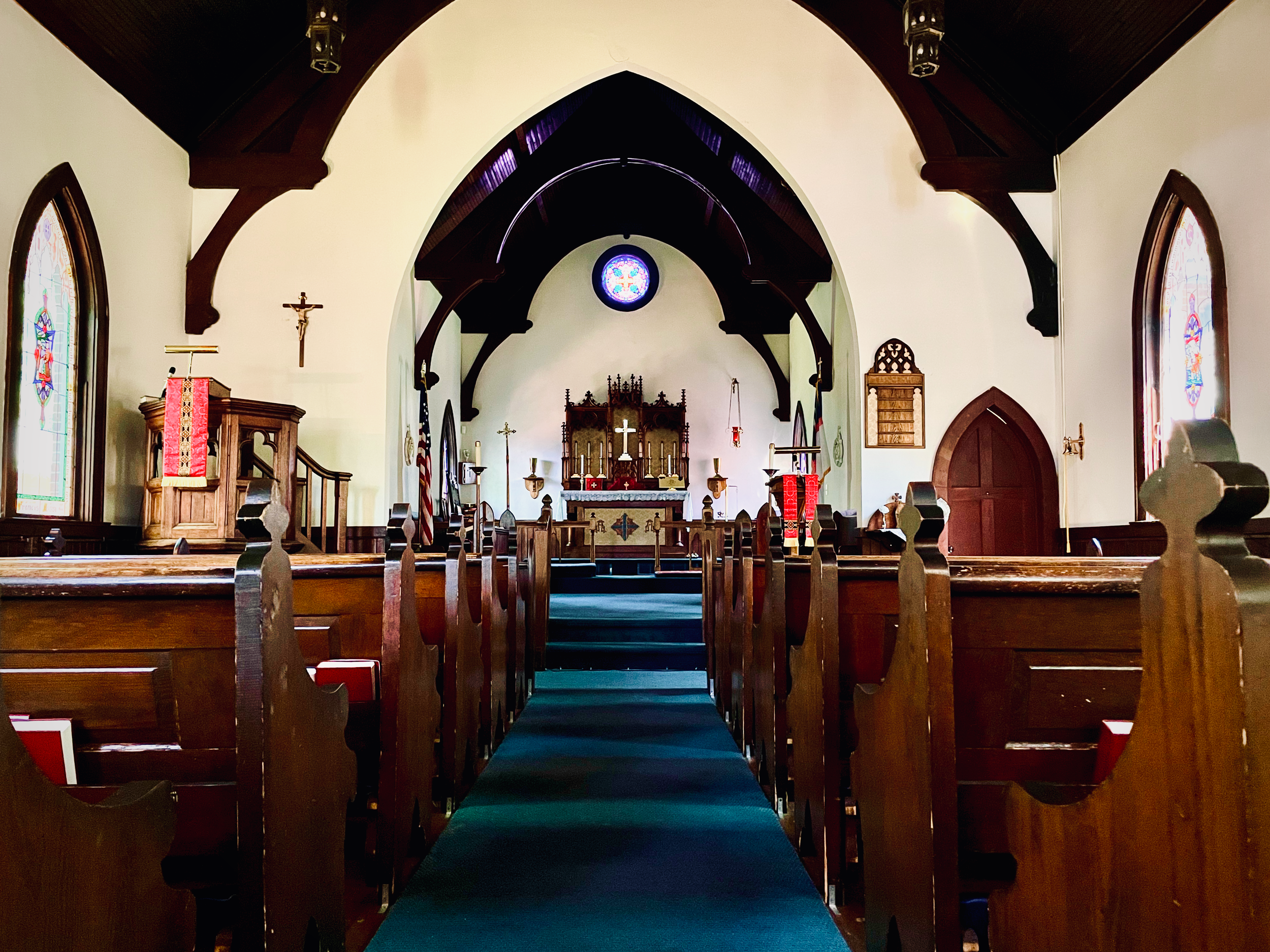
All Saints Church in Aiken, South Carolina, was founded in 1977 to be a bastion of traditional Anglican Catholicism in the CSRA.
The church building was constructed in 1939 in a Gothic Revival style to be a satellite congregation of St. Thaddeus Episcopal Church.
When the original church was closed, the building was repurposed for various secular uses until purchased by the All Saints congregation in 1977. A new pulpit and lectern were acquired, which date to 1750 from a small parish church in Kent County, England.
We are a parish serious about our faith, our worship, our community, and each other. Whether you have a long-time familiarity with our tradition, or are a newcomer, we most warmly invite you to join us.
-
Without hesitation, yes. All are warmly welcomed at All Saints. Whether you are a Christian from another tradition, someone returning to church after many years, or an individual who has never before attended a Christian service, you will find a sincere and gracious welcome here.
In the Gospels, when religious leaders questioned why Jesus shared table fellowship with those they considered unworthy, He replied that it is not the healthy who need a physician, but the sick, for He had come not to call the righteous, but sinners to repentance (Matthew 9:11–13). In the same spirit, All Saints seeks to be a place where all who desire God’s grace, guidance, and healing may come without fear or hesitation. -
Most certainly. The presence of children, even in their restlessness or occasional noise, is a sign of growth and vitality within the Church. It is not considered a disturbance, but rather a reminder that the life of the parish continues into the next generation. “Out of the mouth of infants and nursing babies you have brought forth praise.” (Matt. 21:16)
-
The worship at All Saints is distinctly traditional in character. The parish follows a liturgical form that has its roots in the earliest centuries of the Church and has found its mature expression in the Anglican Missal and the Book of Common Prayer. The hymns are drawn from the 1940 Hymnal, which includes both ancient and medieval compositions, as well as many familiar and cherished hymns from later periods.
For those who may be unacquainted with traditional liturgical worship, there is no cause for concern. Familiarity develops naturally over time, and many who are new to this form of worship come to appreciate its reverence, beauty, and ordered structure.
-
All Saints does not impose a formal dress code. However, parishioners and visitors alike are encouraged to dress in what might be considered their “Sunday best.” Attire that is somewhat more formal than everyday work clothing, yet less formal than what one would wear to a wedding, is perfectly suitable. While a three-piece suit is by no means required, those who choose to dress in a particularly formal manner are certainly welcome to do so. What matters most is not the specific style of clothing, but the spirit of reverence and respect with which one approaches the worship of Almighty God.
-
Holy Communion may be received by all who have been baptized with water in the Name of the Father, and of the Son, and of the Holy Ghost, who have been Confirmed by a Bishop in Apostolic Succession (Anglican, Roman, Old Catholic, or Orthodox), and who hold a reverent belief in the true presence of Jesus Christ in the Blessed Sacrament.
-
Yes, sacramental confession is offered at All Saints. Within the Anglican tradition, this practice has long provided spiritual consolation and renewal. Our understanding of this ministry is rooted in Christ’s words to the apostles after the Resurrection, when He breathed on them and entrusted to them the authority to forgive sins (John 20:21–23). This sacred responsibility did not end with the apostolic age, but has continued through the Church in her priestly ministry to the present day as a tangible assurance of God’s mercy and forgiveness.
Should you wish to learn more about how this sacrament is administered, or if you would like to arrange a time for confession, you are warmly encouraged to contact the parish. Father Davis would be happy to speak with you.